
What is Safeguarding?
Safeguarding means protecting children and young people from harm. At our school, safeguarding includes promoting our students’ health, wellbeing, and safety, preventing abuse or neglect, and taking action if a child may be at risk. All staff share the responsibility of safeguarding and are trained to recognise concerns and respond appropriately so that every child feels safe, respected, and able to learn.
____________________________________________________________________________________________________
| Key Contacts | |||
|
Designated Safeguarding Lead
Cara Woolley (DSL)
|
|||
|
Nominated Safeguarding Governor
David Preston (d.preston@ridgewood.lancs.sch.uk)
|
|||
|
Deputy Designated Safeguarding Leads
Gemma Robinson – Deputy Headteacher
Lois Talbot - Deputy Headteacher
Ian Carden – Headteacher
Kylee Honeyman – Family support Worker
Jasmin Mansfield – Pupil support Worker
|
|||
|
Designated Teacher for Children are Looked after (and previously looked after)
Lois Talbot - Deputy Headteacher
|
|||
| Safeguarding Contact Details | |||
| To contact the safeguarding team please 01282 953 653 or email safeguarding@ridgewood.lancs.sch.uk |
If you suspect that a child has been harmed or that a child is at risk of immediate harm you must contact either or both:
Children Social Care (0300 123 6720)
Police (101 or 999)
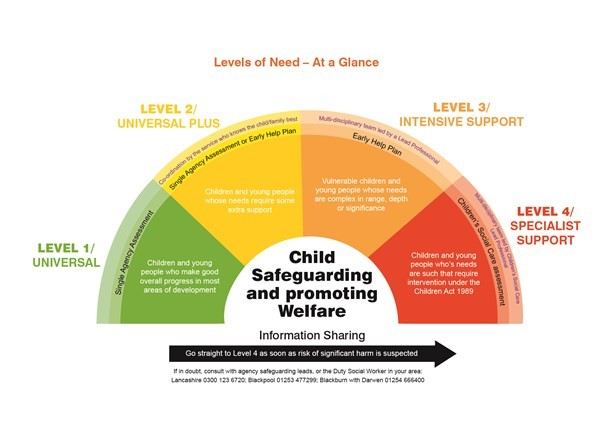
Our Early Help Offer
Ridgewood Community High School & College are dedicated to offering support to families as soon as a need arises, at any stage of a child’s life. Any pupil or family may benefit from early help, and all staff remain attentive to recognising when this support may be required. Staff at PCHS&C understand that any professional has the ability to provide early help.
Prevent Strategy – Parent Information
What is the Prevent strategy?
Prevent is a government initiative aimed at stopping individuals from becoming involved in terrorism or supporting extremist causes. It addresses all forms of extremism, including far-right groups, violent Islamist organisations, and other ideologies.
How does the Prevent strategy apply to schools?
Since July 2015, schools and other organisations have had a duty to safeguard children from the risks of radicalisation and extremism. This means protecting pupils from harmful or extreme influences in the same way we protect them from issues such as drugs or gang involvement. Schools also provide a safe and supportive environment where pupils can discuss these topics and learn how to keep themselves safe.
What does this look like in practice?
Many everyday school activities already support the aims of the Prevent strategy. These include:
-
Learning about different cultures and religions and promoting respect for diversity
-
Challenging discrimination, prejudice, and racist behaviour
-
Encouraging critical thinking and building a strong, positive sense of identity
-
Supporting pupils’ spiritual, moral, social, and cultural development, alongside promoting British values such as democracy
Schools also take practical steps to reduce the risk of radicalisation. For example, internet filters are used to block access to harmful content, and visitors to the school are carefully checked. The way each school implements the Prevent duty may vary depending on the age of pupils and the needs of the local community.
__________________________________________________
Policies and Guidance

